BICO Group, una de las principales empresas de bioconvergencia del mundo, implementó recientemente con éxito Microsoft Dynamics 365 en entornos de varios países. Este sistema empresarial integra todos los aspectos de las operaciones principales de su empresa: ventas y marketing para finanzas, contabilidad, gestión de inventario y soporte al cliente, lo que hace que el proyecto sea desafiante y exitoso, un testimonio más de la plataforma de Microsoft y los socios que gestionan proyectos complejos en múltiples ubicaciones.
Dynamics 365 incluye una aplicación de ventas que actúa como una versión abreviada de la solución total de Dynamics CRM, proporcionando todo, desde el seguimiento de oportunidades y la planificación de ventas hasta la supervisión del rendimiento.
Seleccionar el socio local apropiado es vital para una implementación exitosa de Dynamics 365. Entienden todos los aspectos del sistema, como el cumplimiento de las normas internacionales. Además, estos socios saben cómo adaptarlo para mercados o clientes específicos sin dejar de cumplir con los requisitos de cumplimiento fundamentales con respecto a la privacidad y seguridad de los datos.
Asegúrese de que su organización esté lista para la implementación de Dynamics 365
Como parte de una implementación fluida de Dynamics 365, la documentación de mejores prácticas y escenarios de casos de uso también puede ayudar a garantizar su implementación exitosa. Hacer esto reducirá la resistencia al cambio y facilitará que los nuevos empleados se incorporen rápidamente. También protegerá los datos de la organización para que sean fáciles de localizar cuando un empleado abandone su departamento.
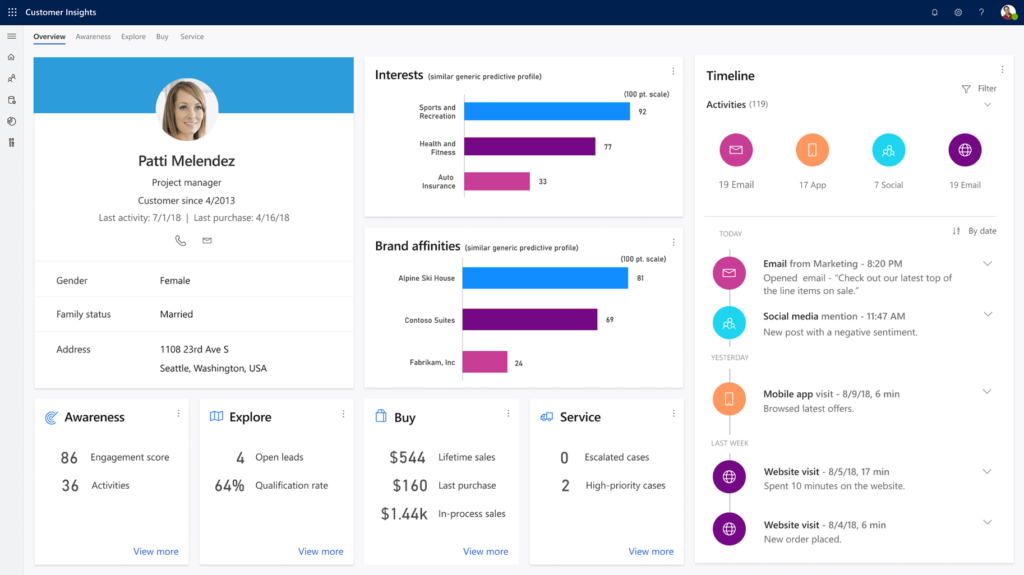
Dynamics 365 ayuda a las empresas a optimizar los procesos y aumentar la eficiencia conectando las operaciones y proporcionando inteligencia integrada que automatiza las tareas y agiliza los flujos de trabajo. Además, ofrece información rápida y procesable a través de paneles nativos y aplicaciones de información utilizando IA especialmente diseñadas como Customer Insights.
SaaS (Software as a Service) es la versión basada en la nube de Dynamics 365 a la que los clientes acceden a través de navegadores web en lugar de instalar el software directamente en sus computadoras. Esta opción tiene numerosos beneficios para las pequeñas empresas que buscan reducir los costos de infraestructura, requisitos del sistema y reducir los gastos de capital mientras eliminan las molestias de mantenimiento del hardware en las instalaciones.
La implementación de Dynamics 365 puede variar según varios factores, incluido el número de usuarios y el tipo de licencia elegida, la complejidad de la integración y las preferencias del cliente para el acceso completo de los usuarios o el acceso limitado de lectura/escritura en áreas primarias específicas. Los clientes pueden elegir entre licencias de usuario completo que brindan acceso a todas las características y funciones, o licencias de miembro del equipo que otorgan privilegios de lectura/escritura dentro de algunas regiones principales.
Es crucial crear un plan completo, que incluya cronogramas, presupuestos y análisis de impacto
Hacer esto minimizará el riesgo mientras mantiene los proyectos dentro del cronograma y ayuda a identificar los puntos de resistencia de la organización. ¡La identificación temprana puede hacer que los procesos de gestión de cambios sean mucho más fluidos! Además, comunicarse con los empleados y brindarles capacitación para facilitar la transición también es vital para que la transición sea fluida.
El conjunto de aplicaciones comerciales Dynamics 365 comprende aplicaciones importantes. Las herramientas de IA ayudan a las empresas a tomar decisiones más rápidas mediante el análisis de datos en tiempo real. Además, esta plataforma flexible permite a los usuarios personalizar las aplicaciones que ellos mismos utilizan.
Dynamics 365 ofrece varias opciones de implementación, como software como servicio (SaaS) y local. Las instancias de SaaS de Dynamics 365 se ejecutan en servidores alojados por proveedores y son accesibles a través de navegadores web. Esta opción elimina los costos de mantenimiento de hardware y reduce los gastos de TI. Sin embargo, es posible que se necesite ancho de banda y almacenamiento adicionales.
Las versiones basadas en la nube de Dynamics 365 son una solución ideal para las pequeñas empresas que desean evitar los costos iniciales de comprar un sistema y el compromiso a largo plazo de mantenerlo. SaaS también facilita las actualizaciones. Aquellas actualizaciones erradas se eliminan automáticamente. Los usuarios pueden probar estas actualizaciones antes de aplicarlas en su instancia de sandbox.

Microsoft presentó recientemente dos aceleradores de la industria para la suite Dynamics 365
Uno dirigido a organizaciones sin fines de lucro y otro para servicios financieros. El acelerador sin fines de lucro tiene como objetivo optimizar la recaudación de fondos, los informes de impacto y la ejecución de programas. Por el contrario, el acelerador de finanzas proporciona soluciones para realizar un seguimiento de las relaciones bancarias, los préstamos y los depósitos.
Las nuevas funciones de la suite de Dynamics 365 facilitarán el seguimiento de las relaciones con los clientes, la automatización de procesos y la toma de decisiones más inteligentes. Pero recuerde que la implementación de cualquier cambio lleva algún tiempo, ya que el proceso puede ser complejo y todos los departamentos deben estar preparados antes de poner en marcha estas actualizaciones.
La plataforma Dynamics 365 conecta sus sistemas CRM, ERP y BI para obtener una solución comercial inteligente que garantiza una mejor experiencia del cliente al tiempo que mejora la productividad y le brinda la flexibilidad para crecer con su empresa.
Las decisiones acertadas, el rendimiento mejorado y los requisitos de cumplimiento normativo se pueden cumplir a través de su perfecta integración con otras herramientas de Microsoft como Office 365, Power Apps, tecnologías de inteligencia artificial y aprendizaje automático.
La migración a Dynamics 365 proporciona dos rutas: volver a implementar o actualizar
La reimplementación suele ser necesaria cuando su sistema actual se ha personalizado mucho o está desactualizado. Empezar de nuevo le permite diseñar una solución optimizada y preparada adaptada a los requisitos de su negocio.
Las actualizaciones técnicas ofrecen otra solución, lo que le permite mantener la configuración y las personalizaciones del sistema mientras agrega mejoras específicas que reducen las interrupciones, reducen los costos de implementación y maximizan los beneficios. Independientemente del camino que se tome, se debe realizar la capacitación y las pruebas adecuadas antes de la puesta en marcha para garantizar que todas las partes funcionan juntas a la perfección. Como señaló Lorna Link, directora de práctica de Velosio BC Express, de Velosio BC Express, “la falta de pruebas y capacitación es una de las causas principales detrás de las migraciones fallidas de Microsoft Dynamics”.
Las actualizaciones de Dynamics 365 pueden ser más rentables que la reimplementación, mientras que los avances técnicos ofrecen una mayor flexibilidad que la reimplementación al permitirle omitir la implementación de cualquier actualización de calidad proactivaque no cumpla con sus criterios. Estas actualizaciones se aplicarán automáticamente durante la ventana de mantenimiento planificada específica de la región.
En cuanto al marco de tiempo, la implementación de Dynamics 365 depende de su complejidad. Una implementación sencilla que involucre informes y personalizaciones limitadas debería tomar aproximadamente ocho semanas. Los sistemas más complejos que involucran un desarrollo y una personalización extensos pueden requerir de 12 a 24 semanas para migrar.
Microsoft ha simplificado Dynamics 365, así las empresas aprovechan al máximo el software
La plataforma no solo incluye aplicaciones preconfiguradas, sino que una red global de centros de datos brinda soporte adicional: estos servidores están ubicados más cerca de los usuarios, lo que ayuda a reducir la latencia y hace que la plataforma responda. Los usuarios pueden elegir entre licencias de usuario completo o de miembro del equipo según el nivel de funcionalidad requerido por cada permiso.
La suite Dynamics 365 abarca aplicaciones de CRM, ERP e inteligencia empresarial que se integran a la perfección con los sistemas existentes, lo que permite a los clientes acceder y utilizar sus datos desde cualquier lugar y en cualquier momento. Además, se brindan soportes de localización para que las organizaciones puedan satisfacer las demandas de los clientes de manera más efectiva.
Dynamics 365 se diferencia del software de CRM tradicional por ser modular y flexible, adaptable a los requisitos específicos de cada departamento y compatible con numerosos dispositivos móviles.
Proporciona una forma eficaz de reducir costos para aumentar la productividad
Alternativamente, las organizaciones que buscan administrar los clientes potenciales de ventas de manera efectiva pueden usar la aplicación Microsoft Dynamics 365 Lead Management. Esta herramienta centraliza datos, automatiza tareas y ofrece análisis para que los vendedores se concentren mejor en la participación del cliente.
La aplicación Field Service de Field Central ayuda a las empresas a administrar las órdenes de trabajo, la programación y la asignación de recursos para los trabajadores de campo. Proporciona a los empleados capacidades de trabajo remoto y un portal. Además, su función de Orden recurrente permite a las empresas crear órdenes de trabajo recurrentes y enviarlas directamente a los clientes a través de portales de clientes o correos electrónicos. Además, monitorea el inventario de equipos y activos.
Dynamics 365 también ofrece un ecosistema de soluciones y complementos de terceros que pueden aumentar la eficiencia y mejorar las experiencias de los clientes, como el motor de informes de Power BI para crear informes personalizados desde cualquier dispositivo y su característica de búsqueda intuitiva para encontrar rápidamente contenido relevante.
La aplicación proporciona aceleradores de la industria diseñados para abordar problemas comerciales específicos. Dynamics AX ayuda a miles de organizaciones en todo el mundo a reducir costos, aumentar la productividad y descubrir nuevos horizontes comerciales. Su último lanzamiento viene con un acelerador adicional sin fines de lucro diseñado para ayudar a las organizaciones con la gestión de premios, la recaudación de fondos y el seguimiento del impacto. Adicionalmente, se diseñó una aceleradora de servicios financieros para administrar créditos y sucursales bancarias para los usuarios. Proporciona funcionalidades básicas para el sector público, la distribución, el comercio minorista y las organizaciones de fabricación.